
Dash cams have moved from a nice-to-have to standard kit for many Canadian truck drivers and fleets. Today's cameras record sharper video, see better at night and make it easier to get footage off the camera when you need it. This guide explains the features that matter, how dash cams fit with compliance tools like ELDs, and what to look for when you buy.
Key Takeaways
- Higher resolution, better night recording and app access are the biggest improvements in recent dash cams.
- Dash cams don't replace an ELD, but footage can back up your logs and protect you after an incident.
- Mount the camera so it doesn't block your view, and use a power source rated for your truck's system (12V or 24V).
Key Dash Cam Features in 2026
Higher Resolution
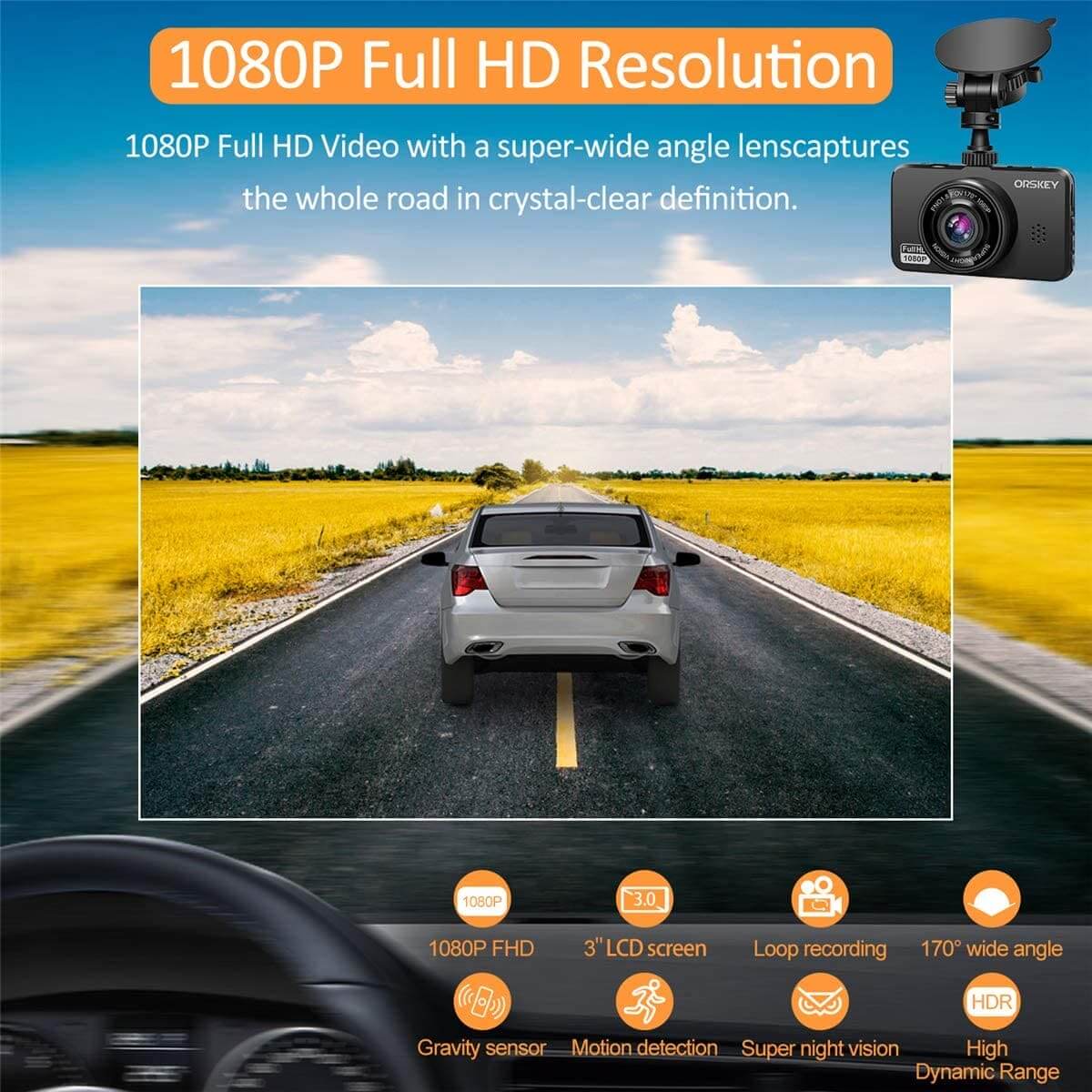
Full HD (1080p) used to be the norm. Now 2.5K and 4K front cameras are common, which makes it easier to read licence plates, signs and road markings in your footage.
Better Night Recording
Larger sensors, wide dynamic range (WDR) and night vision processing help with headlight glare, tunnels and unlit highways, which matters for drivers who run overnight.
Front and Rear Coverage
Dual-channel dash cams record the road ahead and behind at the same time. Fleets may also add cabin-facing cameras; if you do, tell drivers and follow applicable privacy rules.
WiFi and App Access
Many dash cams now connect to your phone over WiFi, so you can view, download and share a clip without pulling the SD card. That's handy when dispatch or your insurer asks for footage.
Driver Assistance and AI Alerts
Some cameras, mostly fleet systems, add alerts for lane departure, following distance or distracted driving. These features vary a lot between models, so check what's included and whether it needs a subscription.
Storage: SD Cards and Cloud
Most dash cams record to a microSD card using loop recording, which overwrites the oldest footage automatically. A G-sensor locks clips when it detects an impact so they aren't overwritten. Fleet systems often add cloud uploads over cellular data, usually for a monthly fee.
Dash Cams and Compliance in Canada
Dash Cams vs ELDs
Federally regulated carriers in Canada must use a certified electronic logging device (ELD) to record hours of service. A dash cam isn't an ELD and doesn't count toward that requirement, but video can support your side of the story after a collision or a dispute.
Mounting
Wherever you drive, a dash cam must not obstruct your view of the road. Mount it high on the windshield, behind or near the rear-view mirror, and keep cables tidy. Rules on windshield-mounted devices can differ by province and state, so check where you operate, especially if you cross into the US.
Power
Many heavy trucks run on 24V. Plugging a 12V-only adapter into a 24V system can damage the camera, so use a hardwire kit or adapter rated for 12V–24V. A kit with low-voltage protection also stops parking mode from draining your batteries.
Choosing a Dash Cam for Your Truck
- Resolution: 2.5K or higher on the front camera.
- Night performance: look for WDR or night vision.
- Coverage: front-only, or front-and-rear for more complete evidence.
- App access: WiFi makes sharing clips quick.
- Power: 12V–24V compatible hardwire kit.
- Storage: a high-endurance microSD card that the camera supports.
LDAS Dash Cams
-
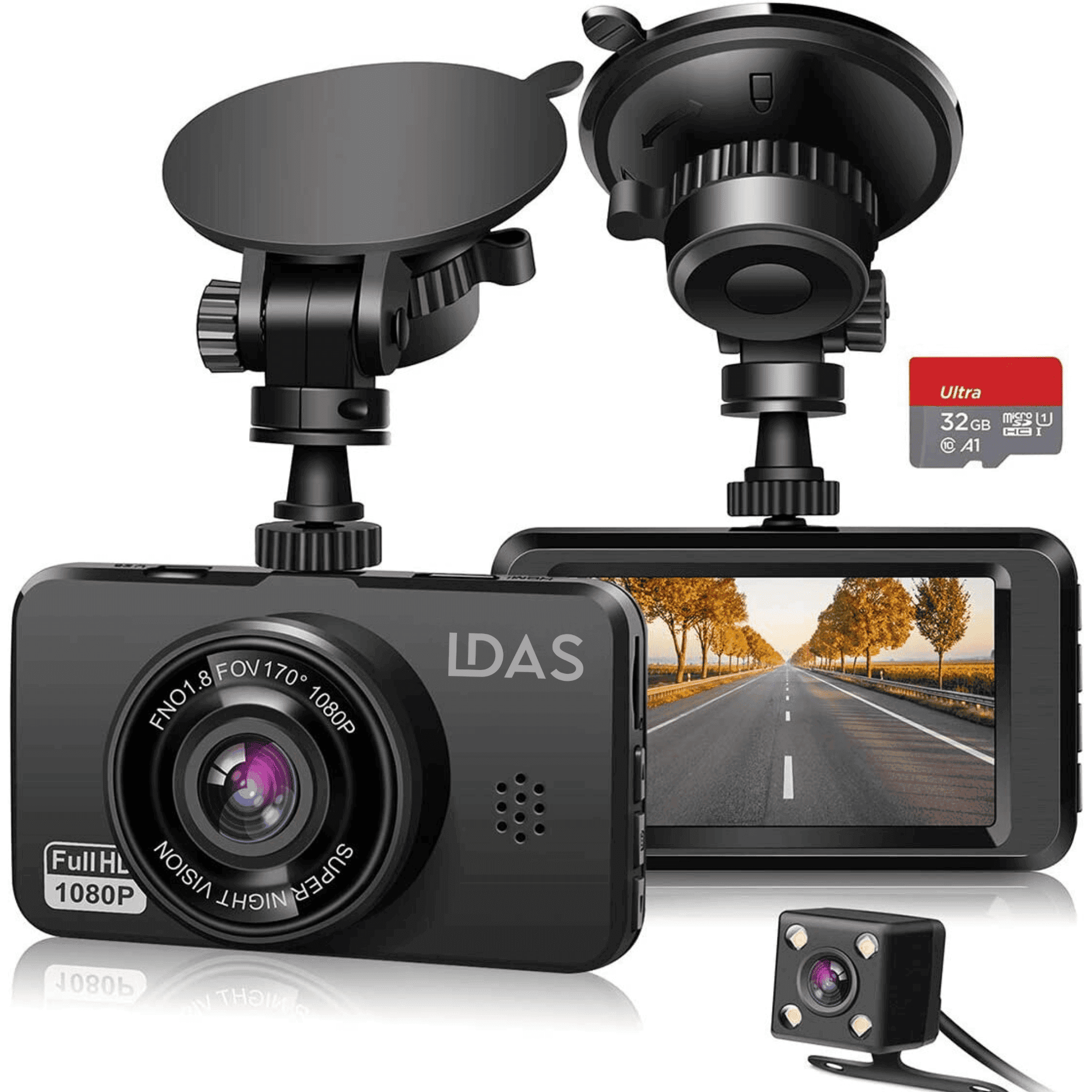
LDAS A20 WiFi Dash Cam: 2.5K front camera with night vision and WiFi app access, with a 32GB SD card included.

-
LDAS Front and Rear Dash Cam: 2.5K front plus 1080p rear recording, loop recording and G-sensor, with a 32GB SD card included.

- LDAS USB-C Hardwire Kit: 12V–24V input with low-voltage protection and a 13 ft cable.
Browse the full LDAS dash cam collection, or read our guide to the best dash cams for commercial trucks.
Frequently Asked Questions
How has dash cam technology changed for truckers?
Resolution has gone up to 2.5K and 4K, night recording has improved, and WiFi apps make it much easier to get footage off the camera. Fleet systems increasingly add cloud uploads and driver alerts.
Does a dash cam count as an ELD in Canada?
No. Federally regulated carriers need a certified ELD for hours of service. A dash cam is a separate tool for recording what happens on the road.
Who regulates trucking safety in Canada?
Transport Canada sets federal vehicle safety standards and the ELD rules, and the provinces and territories enforce the National Safety Code for commercial vehicles and carriers.
Do I need a special dash cam for a 24V truck?
You need a power source rated for 24V, such as a 12V–24V hardwire kit. Most dash cams themselves run on 5V via USB, so the kit does the conversion.
Do truckers in Canada need dash cams?
They aren't generally required, but many drivers use them for protection. Read do truckers need dash cams in Canada.