
Dash cams have become standard equipment for many commercial and semi-truck drivers in Canada. They give you footage if something goes wrong on the road, whether it’s a collision, a dispute or a false claim.

Choosing a dash cam for a semi truck means thinking about video quality, night recording, durability and how easy it is to use. This guide covers how truck dash cams work, the features that matter, and what to consider in Canada.
Key Takeaways
- Dash cams improve safety and accountability for commercial drivers.
- Night recording, wide coverage, reliable storage and a solid mount matter most.
- Trucks run on 12V or 24V systems, so check power compatibility before you buy.
Understanding Dash Cam Technology
How Dash Cameras Work
Dash cameras record video to a memory card. With loop recording, the oldest footage is overwritten automatically, and a G-sensor locks clips when it detects an impact. Some models add GPS to log speed and location, and WiFi to transfer clips to your phone.
Types of Dash Cameras
- Front-facing cameras: record the road ahead.
- Front-and-rear (dual-channel) cameras: record both directions.
- Cabin-facing cameras: record inside the cab, often used by fleets.
Mobile DVR Systems for Fleets
Larger fleets often use mobile DVR systems that connect multiple cameras to a central recorder, with telematics integration, live streaming and remote access. These cost more but give fleet managers a complete picture.
Dash Cams in Canada: Key Considerations
Mounting and Privacy
Dash cams are generally legal in Canada, but they must not block your view of the road. Fleets using cabin-facing cameras should tell drivers about recording and follow applicable privacy rules. Requirements can vary by province, so check the rules where you operate.
Environmental Handling Fees
Some provinces add an environmental handling fee when you buy electronics like dash cams. It funds recycling of old devices.
Choosing a Dash Cam for Semi Trucks
Essential Features
- Front-and-rear recording for more complete coverage.
- Good night recording (look for WDR or night vision) for late shifts.
- Wide-angle lens to cover more lanes.
- 12V/24V power support: heavy trucks often use 24V, so use a hardwire kit or adapter rated for it.
- App or WiFi access to review and save clips quickly.
- GPS (optional) to log location and speed.
Reliability and Durability
- Vibration-resistant mount for rough roads.
- Temperature tolerance for Canadian winters and summer heat; check the operating range in the specs.
- Long rear cables for cabs and trailers.
- Firmware updates and a solid warranty.
Commercial vs Consumer Models
Commercial systems are built for fleets: multiple cameras, telematics, cloud access and rugged hardware, at a higher price. Consumer dash cams are smaller and more affordable, and a good front-and-rear consumer model with a proper hardwire kit covers what many owner-operators need.
LDAS Options for Truck Drivers
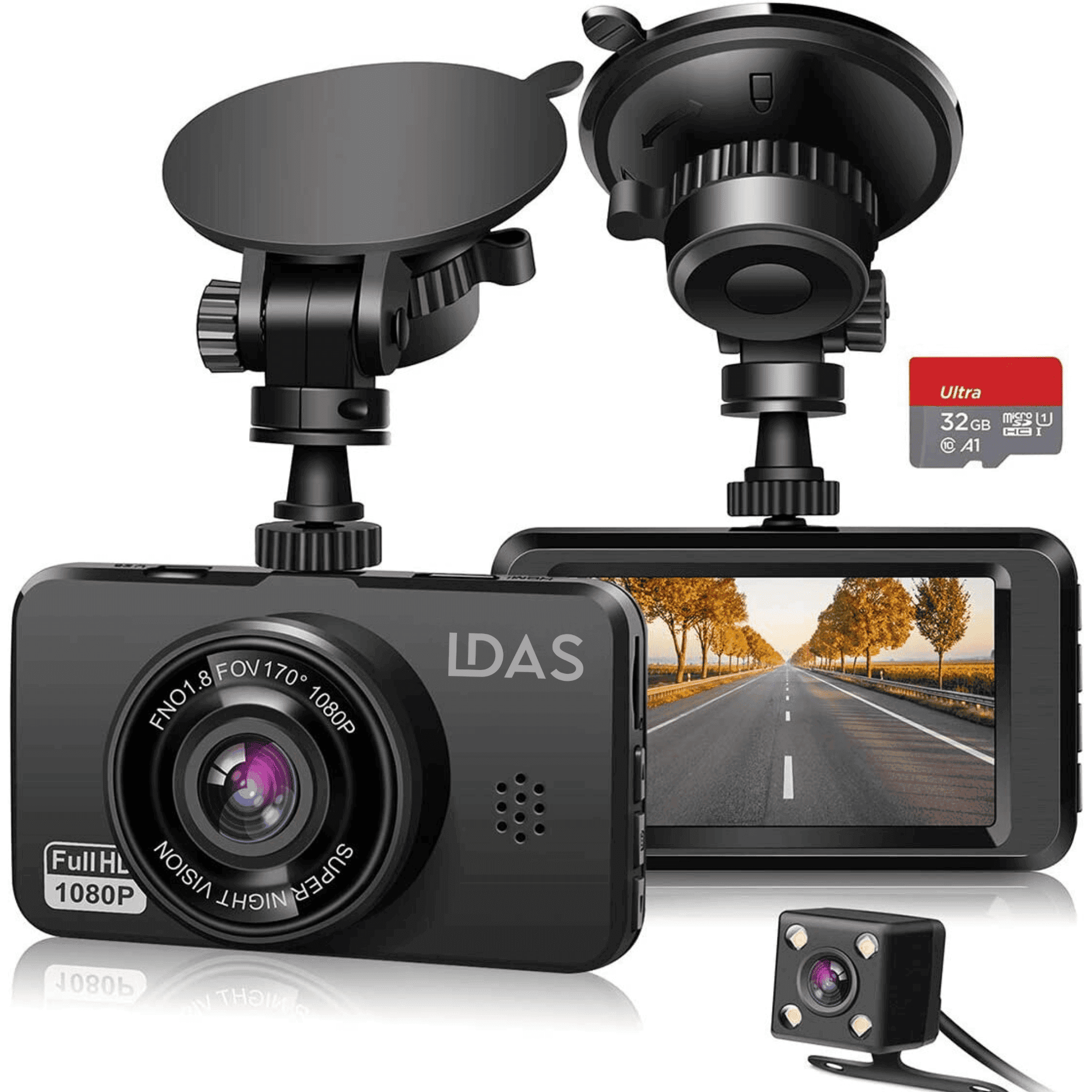
- LDAS Front and Rear Dash Cam: 2.5K front plus 1080p rear recording, with a 32GB SD card included.
- LDAS A20 WiFi Dash Cam: 2.5K front camera with night vision and a WiFi app.
- LDAS USB-C Hardwire Kit: works with 12V–24V systems and has low-voltage protection, with a 13 ft cable.
See the full LDAS dash cam collection.
Video Quality and Real-World Use
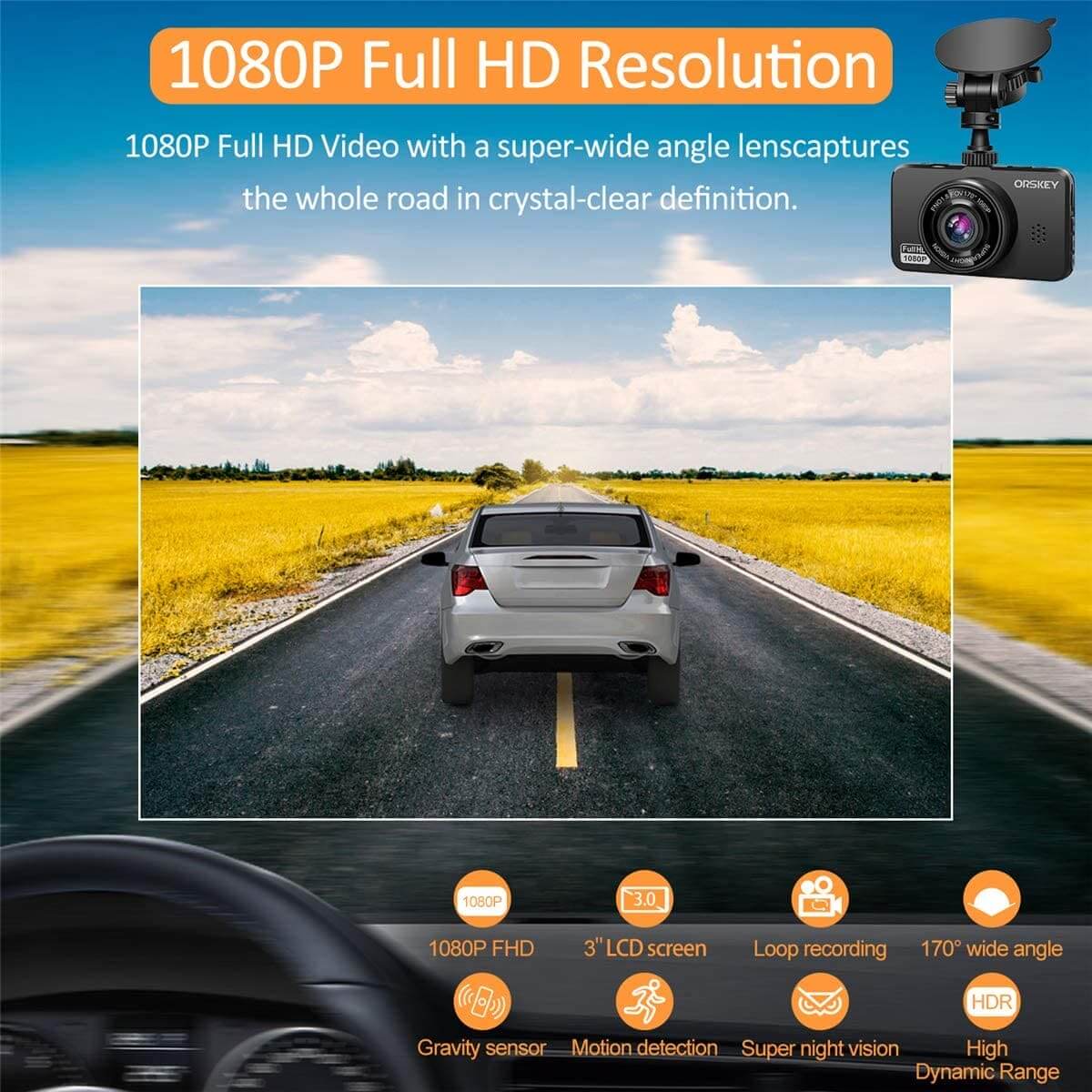
Higher resolution (2.5K or 4K) makes it easier to read plates and signs, and WDR helps with glare, tunnels and night driving. Drivers consistently value an app that makes it quick to view and share clips with dispatch or an insurer.
| Feature | Benefit |
|---|---|
| 2.5K/4K resolution | More detail in footage |
| Wide-angle lens | Covers more of the road |
| Night vision/WDR | Clearer video in low light |
Backup Cameras
Backup cameras give a live view behind the truck, which helps when backing into docks or tight spaces. Dash cams record evidence; backup cameras help you manoeuvre. Many fleets use both.
| Feature | Dash Cam | Backup Camera |
|---|---|---|
| Main purpose | Recording evidence | Rear-view assistance |
| Location | Windshield | Rear of truck or trailer |
Buying Tips
- Compare prices online; entry-level dash cams start around $50 and fleet systems can cost several hundred dollars or more.
- Watch for seasonal sales and bundles that include memory cards or hardwire kits.
- Check the warranty and return policy.
Frequently Asked Questions
How long do truck dash cams record?
With loop recording, they record continuously and overwrite the oldest footage. How much is kept depends on the card size and resolution; a 32GB card typically holds a few hours.
Can a dash cam record front and rear at the same time?
Yes. Dual-channel models like the LDAS Front and Rear Dash Cam record both directions at once.
Will a dash cam work on a 24V truck?
Only with a power source rated for 24V. A hardwire kit that supports 12V–24V, like the LDAS USB-C hardwire kit, is the simplest way.
Do truckers in Canada need dash cams?
They aren’t generally required, but many drivers and fleets use them for protection. Read do truckers need dash cams in Canada.